
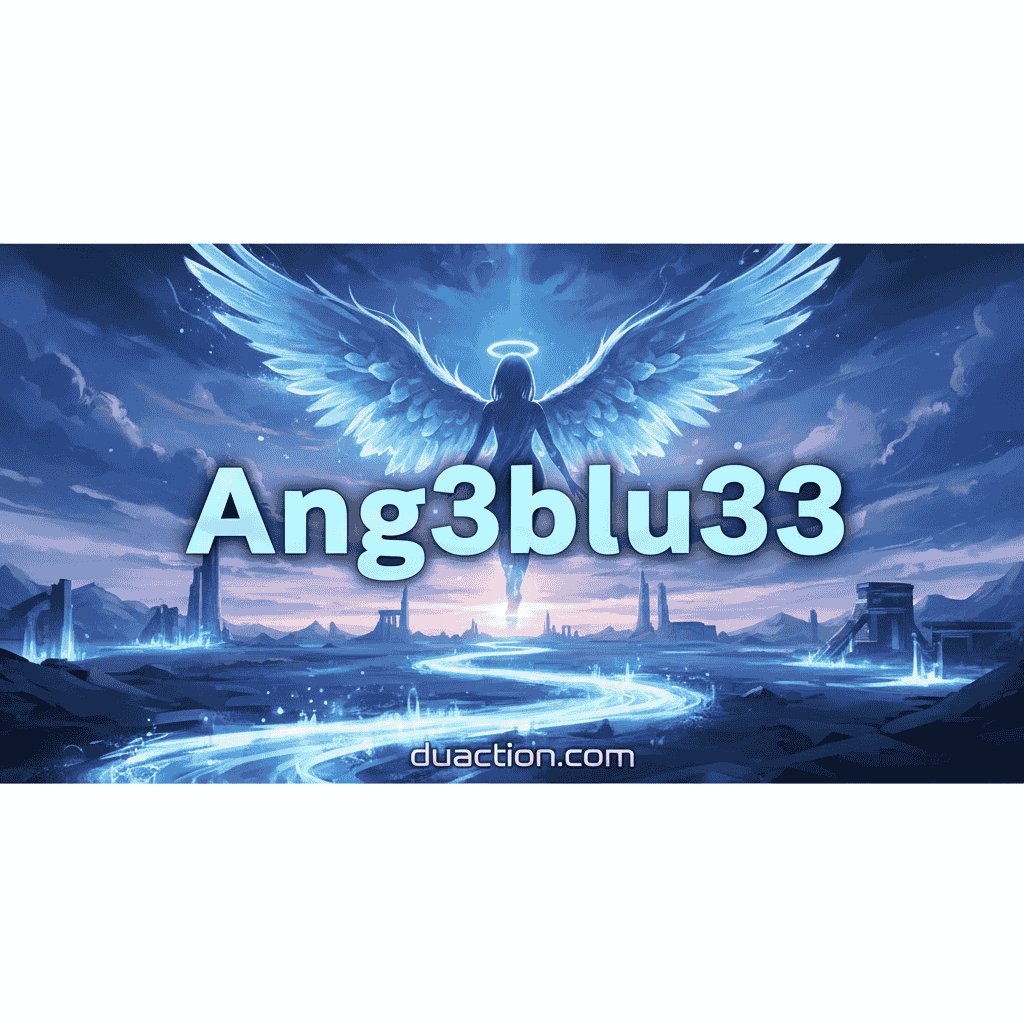
You know that moment when you’re scrolling through social media and you see a username that just… clicks? It’s not random letters and numbers thrown together. It’s something that feels intentional, creative, almost like a tiny piece of art. That’s exactly what happened to me when I first came across ang3lblu33.
At first glance, I thought it was just another quirky handle. But the more I saw it popping up—on Instagram, in gaming communities, across TikTok—the more I realized there was something deeper going on here. It wasn’t just a username. It was a whole vibe, a way of expressing identity in our increasingly digital world.
Let me take you on a journey through what makes ang3lblu33 more than just letters on a screen, and why understanding this trend might actually change how you think about your own online presence.
What Exactly Is ang3lblu33?
Here’s the thing: ang3lblu33 isn’t a person, a brand, or a secret society (though that would be cool). It’s a digital identity style that’s captured the imagination of a generation that grew up with the internet as their second home.
Break it down with me. The first part—”ang3l”—is “angel” written in what we call leetspeak or 1337 speak. That’s the internet tradition of replacing letters with numbers that look similar. The “3” replaces the “e,” giving it that distinctly digital flavor. Meanwhile, “blu33” does the same thing with “blue,” doubling down on the cyber aesthetic that makes it memorable.
I remember when I first started creating online accounts back in the day. Everything I wanted was taken. “AngelBlue”? Nope. “BlueAngel”? Already gone. This is where the genius of ang3lblu33 comes in. By using creative typography and numeric substitution, you get something that’s available, recognizable, and uniquely yours.
But there’s more to it than just availability. The combination of “angel” and “blue” isn’t accidental. Angels evoke purity, protection, and something ethereal—qualities that resonate emotionally. Blue, on the other hand, is the color of calm, introspection, and creativity. Put them together, and you’ve got a username that tells a story before you’ve posted a single thing.
The Story Behind the Trend
Let me share a quick story. Last year, I met a 19-year-old content creator named Maya at a local coffee shop. She was designing her entire social media presence from scratch, and she showed me dozens of potential usernames she’d brainstormed. What struck me was how seriously she took it.
“This isn’t just a login name,” she explained, sipping her iced matcha. “This is how people will remember me. It’s my personal brand, my first impression, and honestly? It’s a piece of who I am.”
That conversation stuck with me because it perfectly captures why ang3lblu33 and similar stylized usernames have exploded in popularity. We’re living in an era where your digital identity often matters as much as—or sometimes more than—your offline one.
Think about it. How much time do you spend online versus in physical spaces? For Gen Z and younger millennials, the answer is usually “most of it.” Your username appears on every comment, every post, every interaction. It’s the thread that ties your entire online persona together.
The shift from functional usernames to identity statements happened gradually but definitively. In the early days of the internet, we just needed something unique to log in. You’d add birth years, favorite numbers, or random words. Now? Your handle is part of your self-expression, your art, your way of saying “this is me” without writing a biography.
The Aesthetic Movement You Can’t Ignore
Here’s where things get really interesting. ang3lblu33 isn’t just a naming convention—it’s tied to an entire visual aesthetic that’s taking over platforms like Instagram, Pinterest, and TikTok.
Picture this: soft blues ranging from powder pastels to deep navy. Gradient effects that transition smoothly between shades. Celestial imagery—stars, moons, clouds with soft glows. Add in some digital textures like subtle glitch effects or dreamy overlays, and you’ve got the signature look.
I’ve spent hours scrolling through accounts that embrace this aesthetic (probably too many hours, if I’m being honest). What strikes me is the consistency. It’s not chaotic or random. Every element—from the color palette to the filter choices—works together to create a cohesive emotional experience.
On TikTok, this translates to specific video editing choices: dreamy transitions, slow-motion captures, reverb-heavy audio that makes everything feel a bit floaty and introspective. The vibe is consistent: calm, reflective, emotionally available, and undeniably creative.
Moreover, this aesthetic serves a practical purpose beyond looking pretty. It acts as visual shorthand. When you see these elements combined, you immediately recognize the vibe and the community behind it. It’s like walking into a room and instantly knowing you’re among your people based on the décor and music.
Why This Resonates So Deeply With Young Digital Natives
Let’s be real for a second. The generation adopting ang3lblu33-style identities grew up watching older siblings and influencers create perfectly curated feeds. They saw the exhaustion, the comparison culture, the mental health toll of constantly trying to look perfect online.
The reaction was predictable: a swing toward authenticity. But here’s the nuance that’s easy to miss—authenticity doesn’t mean throwing filters out the window or posting without thought. Instead, it means choosing aesthetics and identities that genuinely reflect your inner emotional state.
ang3lblu33 allows for exactly that kind of emotional expression through structure itself. You’re not pretending to be someone you’re not. You’re carefully crafting a presentation that feels true to who you are inside. It’s the difference between wearing a costume and choosing an outfit that makes you feel like yourself.
Furthermore, this generation values community over competition. The old model of social media was about showing off—who has more followers, better pictures, cooler experiences. The new model is about finding your tribe. Stylized usernames and shared aesthetics create immediate recognition. You spot someone using similar visual language, and boom—instant connection point.
I’ve seen this play out in real time in online spaces. Someone with a celestial-themed username and blue aesthetic will naturally gravitate toward others with similar vibes. They collaborate, share content, hype each other up. It’s community building through visual identity, and it works beautifully.
Also Read: NiggsyMac: Ultimate Guide to Digital Identity & Online Branding
Breaking Down the Psychology: Why Names Like ang3lblu33 Stick
There’s actual science behind why certain usernames lodge themselves in your memory while others slide right out. Let me walk you through it.
First, there’s the rhythm factor. Say “ang3lblu33” out loud. Notice how it flows? That’s not accidental. The human brain loves patterns and rhythm. Names that have a pleasant phonetic flow are easier to remember and more likely to be shared.
Second, there’s the symbolic meaning. Our brains are wired to attach emotions to symbols. Angels = positive, protective, pure. Blue = calm, trustworthy, creative. When you combine these symbolic elements in a username, you’re tapping into deep psychological associations that make people feel something when they see your name.
Third, the visual distinctiveness matters. In a sea of standard usernames, the numeric substitution makes ang3lblu33 stand out. Your eye catches it because it’s different but not so different that it’s confusing. It occupies that sweet spot of “familiar but unique” that branding experts dream about.
Additionally, there’s a belonging factor at play. Using leetspeak or creative spelling signals that you understand internet culture. It’s a subtle way of saying “I’m fluent in this language” without explicitly stating it. You’re part of the in-group, and that matters for social connection online.
Step-by-Step: Creating Your Own Meaningful Digital Identity
Alright, so maybe you’re thinking: “This is cool, but how do I create something like this for myself?” Let me walk you through the process I’ve refined after helping friends craft their online identities.
Step 1: Start With Self-Reflection
Before you touch a keyboard, grab a notebook. Write down words that resonate with you emotionally. Not what sounds cool or what you think others want—what genuinely reflects your personality and values.
For instance, when I did this exercise, my words included: forest, midnight, create, explore, wonder. Your list will be different, and that’s the point. Spend at least 15 minutes on this. Let ideas flow without judgment.
Step 2: Consider Symbolic Colors and Imagery
What colors make you feel at home? What visual motifs appear in the content you save or share? This isn’t about trends—it’s about authentic preference.
If you’re drawn to warm tones, earthy imagery, and grounded vibes, trying to force a blue aesthetic won’t feel right. Alternatively, if celestial themes and cool tones light you up, lean into that. Your digital aesthetic should feel like a comfortable sweater, not a costume.
Step 3: Experiment With Creative Typography
Take your core words and play with them. Try replacing letters with numbers that look similar (3 for E, 4 for A, 7 for T, 0 for O). Mix in underscores or combine words unexpectedly.
Write out 20-30 variations. Say them aloud. Which ones flow smoothly? Which ones make you smile? Trust your gut here—if you feel a little spark of “yes, that’s me,” you’re on the right track.
Step 4: Test Across Platforms
Before committing, check if your potential username is available on the social media platforms you actually use. There’s nothing worse than falling in love with a name only to discover it’s taken everywhere that matters.
Tools like Namecheckr or Knowem can help you search multiple platforms simultaneously, saving you tons of time and frustration.
Step 5: Consider Longevity and Context
Here’s something people often overlook: will this username still feel right to you in two years? Five years? Think about your trajectory and whether this digital identity can grow with you.
Also, consider context. A username perfect for Instagram might feel out of place on LinkedIn or professional platforms. Decide early whether you want one consistent identity across all spaces or context-specific variations.
Step 6: Build the Visual Ecosystem
Once you’ve chosen your username, develop the aesthetic around it. Choose consistent color schemes, filter styles, and content themes. Your username is the anchor, but the surrounding visual identity completes the picture.
I’ve found that creating a simple mood board on Pinterest helps tremendously. Collect images, color palettes, and styles that match your username’s vibe. Reference this when creating content to maintain consistency.
Where You’ll Find the ang3lblu33 Community
This aesthetic movement and identity style isn’t confined to one corner of the internet. Let me map out where it’s thriving so you can explore these spaces yourself.
Instagram and Pinterest: The Visual Headquarters
These platforms are ground zero for ang3lblu33-style content. Search hashtags like #cyberaesthetic, #angelcore, or #blueaesthetic, and you’ll tumble down a rabbit hole of dreamy visuals, curated grids, and mood boards that embody this vibe.
The beauty of these platforms is how they let you build a cohesive visual narrative. Every post contributes to your overall aesthetic story, creating an immersive experience for anyone who visits your profile.
TikTok: Where Trends Accelerate
TikTok takes the ang3lblu33 aesthetic and adds motion. You’ll find creators using specific sounds, transitions, and effects that align with the dreamy, introspective mood. The platform’s algorithm also means that once you engage with this content, you’ll see more of it—helping you discover your community organically.
Gaming Communities and Twitch
Don’t sleep on gaming spaces. Twitch streamers and gamers on platforms like Discord frequently adopt stylized usernames following similar patterns. The overlap between gaming culture and creative expression creates natural crossover, with many streamers building entire personal brands around these digital identities.
Discord and Reddit: The Discussion Hubs
For deeper conversations about digital identity, aesthetic movements, and online culture, Discord servers and Reddit communities offer rich discussion. Search for servers focused on aesthetic communities, vaporwave, Y2K nostalgia, or digital art, and you’ll find thoughtful conversations about what these trends mean.
The Emotional Connection: Why Blue Matters
Let me get a bit philosophical for a moment. The color blue isn’t just aesthetically pleasing—it carries profound emotional significance that explains why it shows up so consistently in digital identities like ang3lblu33.
Throughout history, blue has represented the infinite: the sky, the ocean, the vastness beyond our immediate reach. In color psychology, it’s associated with calm, stability, trust, and introspection. It’s the color of depth—both literal and emotional.
When I’m stressed, I notice I’m drawn to blue tones. There’s something inherently soothing about them. Research in environmental psychology backs this up, showing that blue environments can lower heart rate and reduce anxiety. Online, where stress and overwhelm are common, choosing a blue-centered aesthetic isn’t just about looks—it’s about creating a calm refuge.
Moreover, blue occupies an interesting cultural space. It’s simultaneously common (the sky we all see) and special (historically difficult and expensive to produce as pigment). This duality makes it perfect for digital expression: universally relatable yet distinctly chosen.
The Authenticity Paradox
Here’s something that trips people up: How can carefully crafting a digital persona be authentic? Isn’t that contradiction?
Not really. Think about how you present yourself in different offline contexts. You’re authentic at work, with family, and with close friends—but you adjust your presentation slightly for each context. That’s not being fake; that’s being socially aware and contextually appropriate.
Your online identity works the same way. ang3lblu33 represents a thoughtful choice about how to present yourself in digital spaces. You’re not lying about who you are—you’re selecting which aspects to emphasize and how to frame them visually.
The key difference from older, less authentic approaches is intention. Previous generations of social media users often created identities designed to impress others or chase metrics. The ang3lblu33 approach is about expressing your genuine emotional state and personality in a format that feels right to you.
As Maya (remember her from earlier?) put it: “I’m not trying to trick anyone. This aesthetic literally makes me feel more like myself. It’s like finding the right outfit—I’m still me, just presented in a way that feels authentic.”
Practical Tips for Building Community Through Your Digital Identity
Having a cool username and aesthetic is great, but it’s meaningless without genuine connection. Here’s how to leverage your digital identity to build real community:
Engage Authentically: Comment thoughtfully on others’ content. Ask questions. Share genuine reactions. Your stylized username gets people’s attention, but your engagement keeps it.
Collaborate Generously: The ang3lblu33 community thrives on collaboration over competition. Share others’ work. Participate in creative challenges. Lift people up.
Stay Consistent But Flexible: Maintain your core aesthetic and voice, but don’t be rigid. Let your identity evolve naturally as you do.
Create Value: Share knowledge, resources, or inspiration. The strongest online communities form around people who give more than they take.
Be Vulnerable Appropriately: Authenticity includes showing the struggles, not just the wins. Share your process, your learning, your questions.
The Future: Where Digital Identity Goes Next
Looking ahead, I see several trends emerging that will shape how we think about usernames and online personas:
Increased Integration: The lines between online and offline identity will continue blurring. Your digital identity may become your primary identity for many interactions.
Multimedia Usernames: As technology advances, expect usernames to incorporate audio, visual, or even haptic elements beyond simple text.
AI-Assisted Identity Crafting: Tools will emerge (or already exist) that help people create cohesive digital identities based on personality assessments and aesthetic preferences.
Greater Emphasis on Meaning: The pendulum will continue swinging away from random usernames toward intentional, meaningful identity statements.
Community-Defined Identities: We’ll see more digital identities that explicitly signal community membership or values alignment through shared aesthetic codes.
However, one thing won’t change: the human need for authentic self-expression and meaningful connection. ang3lblu33 and similar trends aren’t just about looking cool—they’re about finding yourself and your people in an increasingly digital world.
Wrapping It All Up
So, what started as a simple exploration of a stylized username has taken us deep into questions of identity, community, and self-expression in the digital age.
ang3lblu33 represents something bigger than itself. It’s a snapshot of how younger generations are approaching online presence with more intentionality and emotional awareness than ever before. It’s about crafting an identity that feels true, building communities that feel supportive, and creating digital spaces that feel like home.
Whether you adopt a similar aesthetic or forge your own completely different path, the lesson remains the same: your digital identity deserves thoughtful attention. It’s not vanity—it’s self-awareness. It’s not superficial—it’s how you show up in spaces where you spend significant time and energy.
The next time you see a username like ang3lblu33 pop up in your feed, pause. Appreciate the thought behind it. Recognize it as someone’s attempt to say “this is who I am” in a crowded digital world. And maybe, just maybe, let it inspire you to think more carefully about how you want to show up online too.
After all, in a world where we spend hours every day in digital spaces, shouldn’t those spaces—and our presence within them—reflect who we genuinely are?
Also Read More Topics on Duaction