
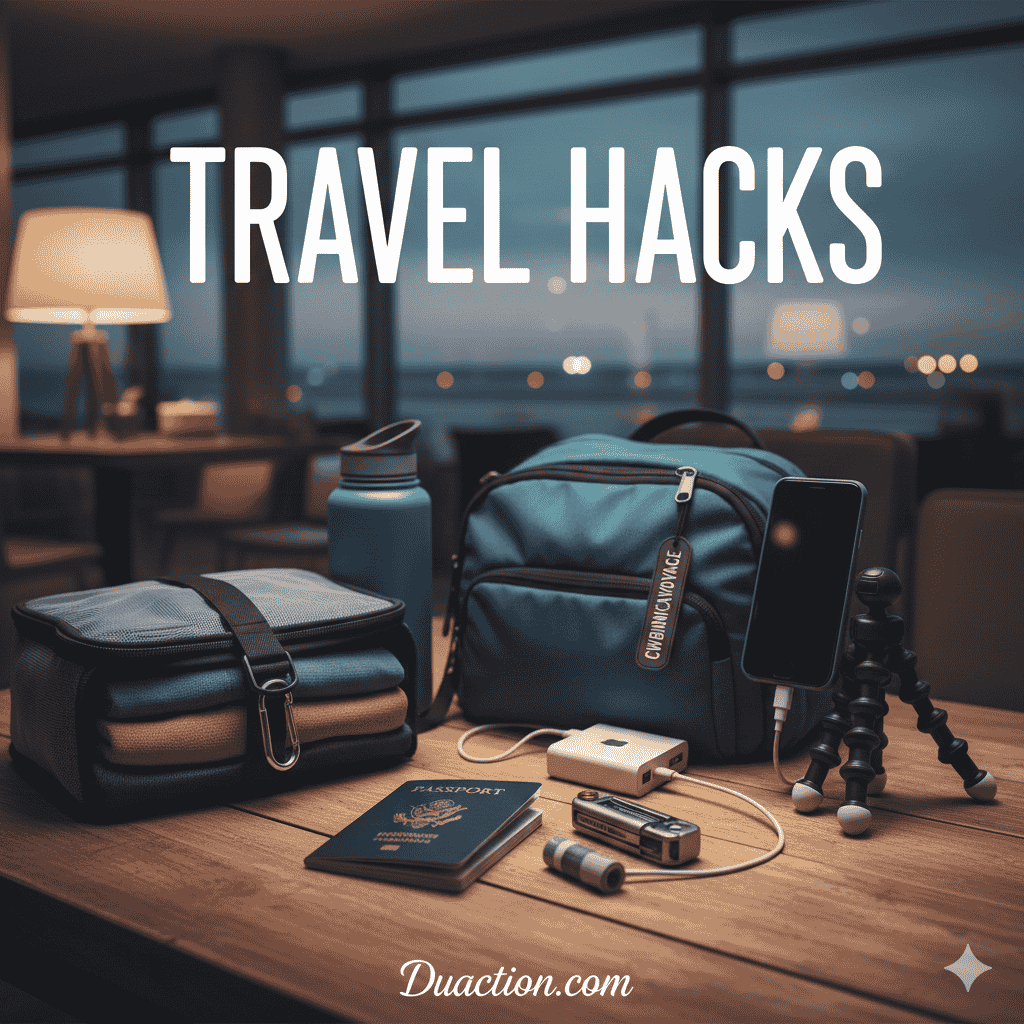
We travel to see new cultures, eat different foods and perceive the world differently. It is a chance to grow as individuals, make lasting memories. But all too often, planning a trip is at best tedious, and at worst overwhelming. From financial restrictions to constant logistical issues, the journey is often more significant than the destination.
Enter into travel hacks cwbiancavoyage, Here are smart hacks, insider tips and words of advice to ensure every step of your adventure is smooth, cost-effective and delicious. By learning to travel smart, you can lower stress, take the pressure off your wallet and have more time to spend actually experiencing things that are important.
This tutorial introduces you to a long list of experienced travel hacks cwbiancavoyage. We will cover everything from planning before you leave to packing efficiently, getting through airports and having your finances in order on the road. Whether you are a novice in the exploration world or a seasoned globetrotter, hopefully these tips will make travel seem second nature.
Pre-Departure Travel Hacks cwbiancavoyage
If you want to have a great trip, it starts the moment you prepare at home. A little preparation is key to a smooth road trip.
Planning and Booking
Take Advantage of Flexible Dates for More Affordable Flights: If you’re flexible on the dates and can adjust around them, use flight aggregators like Google Flights or Skyscanner with “flexible dates” or “whole month” options. Flying on a Tuesday or Wednesday is often much cheaper than at weekends.
- Monitor Fares: Avoid obsessively checking fare prices every day by creating a fare alert. You will get an email alert or message when the price is right to book.
- Shoulder Season Traveling: Just before or after the peak season is often ideal for travel, as you can hit a sweet spot with great weather and lower prices due to less crowded conditions. In Europe, which is referred to as the temperate region, this usually happens in late spring and early autumn.
- Free Cancellation: It is life and you should experience like its meant to be. Whether you are hitting the road without an itinerary or traveling with reservations for a place to stay, it’s always nice to be able to schedule or reschedule when you want some flexibility and protection from losing money if something goes awry.
Documentation and Preparation
Assess Visa Requirements in Advance: You don’t want a visa hiccup when you reach the border. Monitor the websites of the official embassy or consulate for your destination three months before you go. Visa application in certain cases can take long and involves documentation.
- Scan or Store Vital Documents: Digitize passport, driver’s license, travel insurance and flight confirmations. Keep them in a secure cloud service such as Google Drive or Dropbox, and perhaps store a physical copy (not with the originals).
- Have a Packing List and Use It: A comprehensive checklist can prevent you from leaving crucial items behind. You could create reusable lists for water-based trips, city breaks or hiking trips (you can do this on apps like Notion or Google Docs).
- Purchase Good Quality Travel Insurance: You cannot compromise with travel insurance. It guards you against the unexpected, from a medical emergency to a trip cancellation and lost luggage. Find policies tailored to your unique needs — say, adventure activities or COVID-related matters.
Packing Hacks
There’s an art to packing the perfectly efficient luggage for your trip experience so you can navigate with grace and save on baggage checks.
Efficient Packing Techniques
- Roll, Don’t Fold: The rolling method is a classic hack for a reason. It eliminates wrinkles and maximizes space in your suitcase. For delicate items, put a few pieces of tissue paper on top before rolling so the fabric doesn’t crease.
- Utilize Packing Cubes and Compression Bags: Packing cubes are a total game-changer for keeping your suitcase organized. That let’s you sort by item type (shirts, pants, underwear) or by outfit. Compression bags can also decrease the volume of bulkier items, such as sweaters and jackets, by as much as 50%.
- Use the space within your shoes: No extra room should be left empty. Fill your shoes with socks, charging cables or other small, soft items. Not only does this save space, it also helps your shoes maintain their shape.
Smart Item Choices
Embrace Multiple Outfits: Pack clothes that can be placed together in various combinations. Neutrals are a nice base, but you can work color in on some accessories. Large scarf for example that can also be used as blanket on the plane or worn as cover-up at the beach.
Travel with Reusable Bottles: Forget having to purchase travel-sized toiletries every time you take a trip and instead invest in an eco-friendly set of silicone bottles. Pour out your favorite shampoo, conditioner and lotion to save on money while cutting down on plastic. And if you want to save even more space, reach for solid toiletries like shampoo bars and toothpaste tabs.
On-the-Go Travel Hacks
Once you’re on your way, these hacks will help you master airports and your destination like a pro.
Airport and Flight Hacks
- Check In Online: Always check in for your flight online as soon as it becomes available, which is typically 24 hours before departure. This will improve your odds of getting the seat you want and also help you avoid those overstuffed check-in lines at the airport if you’re traveling with only a carry-on.
- Access Airport Lounges on the Cheap: Who says you need to have a first-class ticket to access an airport lounge? Travel cards often include free access to lounges via programs such as Priority Pass. Or, at some airports you can buy a day pass (go online to check the rules), which may be worth it during long layovers.
- Download Entertainment Before You Fly: Don’t trust in-flight entertainment, which may be minimal or nonexistent on budget airlines. Download movies, TV shows, podcasts and music to your phone or tablet before you leave home.
Also Read: What is Snìffies? A Complete Guide to the Cruising App
Destination Hacks
Learn Some Basic Local Phrases: Knowing a couple of basic phrases in the local language such as “hello,” “please”, “thank you” and “excuse me” are handy. It is a sign of respect, and can help you get closer to the locals.
- Leave Offline Maps: To save on data and keep from getting lost when you’re not connected, download maps of your destination on Google Maps or Maps. me. That means you can get directions and discover places of interest without the need for Wi-Fi or a local SIM card.
- Use No-Foreign-Transaction Fee Credit Cards: Such fees effectively add on an extra 1 to 3% to every purchase you make outside the country. Consider signing up for a credit or debit card that doesn’t charge these fees and you’ll save money on your trip. Always opt to be charged in the local currency, and you’ll get the best exchange rate.
- Go Straight to Accommodations: Whether it’s off-season or late at night on a weekend, try walking into a mom-and-pop hotel and negotiating directly for the best “walk-in” rate available. They might be willing to cut you a deal to fill an empty room.
Financial Travel Hacks
You don’t have to spend a fortune to travel. With a bit of financial finesse, you can stretch your money.
Maximize Credit Card Rewards
- Use Travel Credit Cards for Everyday Shopping: Some credit cards reward you with points or miles on every purchase made, which can be used towards flights, hotels and other travel-related purchases.
- Coordinate Purchases With Bonus Categories: Know what bonus categories your card offers. If your card offers extra points on dining or transportation, for instance, use it to pay for those expenses in order to get more rewards.
Currency Exchange
- Get Money from a Local ATM for the Best Rates: Avoid paying ridiculous fees for exchanging money at currency exchange services at airports, who provide poor exchange rates and charge substantial service fees.
- Avoid Airport Currency Exchanges: As a rule of thumb, airport exchange counters have poor rates. If you do need cash right away, exchange only what you must and use an ATM in town for the rest.
Staying Safe and Healthy
Your health is the most critical component of any adventure. Here’s how to stay safe and healthy on the road.
Health Tips
- Stay Hydrated: Fatigue and headaches are among the effects of dehydration, which is a common issue on long flights or in warm weather. Always have with you a reusable water bottle and fill it whenever you are able to.
- Create a Minimal First-Aid Kit: Assemble your own mini-kit with basics such as bandages, antiseptic wipes, pain relievers, and blister pads — and any meds you may need based on your personal conditions. This will save you from having to go through a pharmacy for small stuff.
Safety Tips
- Read up on Local Culture and Laws: Knowing local customs, dress codes, or even laws can prevent you from accidentally offending someone, while also keeping you out of jail.
- Safety first: secure Wi-Fi and VPN Public networks in cafes, hotels and airports are not always as secure as they should be; so it’s much safer to use a Virtual Private Network (VPN) to shield your personal data while you’re using them. A VPN encrypts your data, which makes it challenging for hackers to intercept.
Frequently Asked Questions (FAQs)
What’s the No. 1 travel hack to saving money?
Flexibility with dates of travel is usually your best bet for saving money. Flying mid-week and during the shoulder seasons, and using flexible date search tools can trim off hundreds of dollars from your flights.
How can I pack lighter for a long trip?
Go for versatile, quick-drying clothing that you can layer up or down. Plan to do laundry while you travel — pack a travel-size bar of detergent and portable clothesline that will allow you to wash clothing in your hotel sink so that you can put an end to packing heavy baggage full of too many outfits.
Do I really need travel insurance?
Absolutely. Even if it’s something you’d rather not think about — and something that feels like an unnecessary additional cost — travel insurance is essential to ensure you’re covered if a disaster happens. A medical emergency, a canceled trip or lost luggage could cost you thousands of dollars without it.
What’s the best approach to jet lag?
Begin adapting to your destination’s time zone a couple of days before you leave. While in the air, drink plenty of water, resist alcohol and caffeine, and sleep as if on your new schedule. When you get there, expose yourself to as much natural daylight as you can to help set your body clock.
Your Next Adventure Awaits
Because with these streamline travel hacks you can make your travels better, cheaper and generally awesomer. And while travel is a journey of exploration and discovery, you don’t want to invest unnecessary time in logistics when you could be focusing on the things that matter most — making memories to last a lifetime.
Read More Topics On Duaction